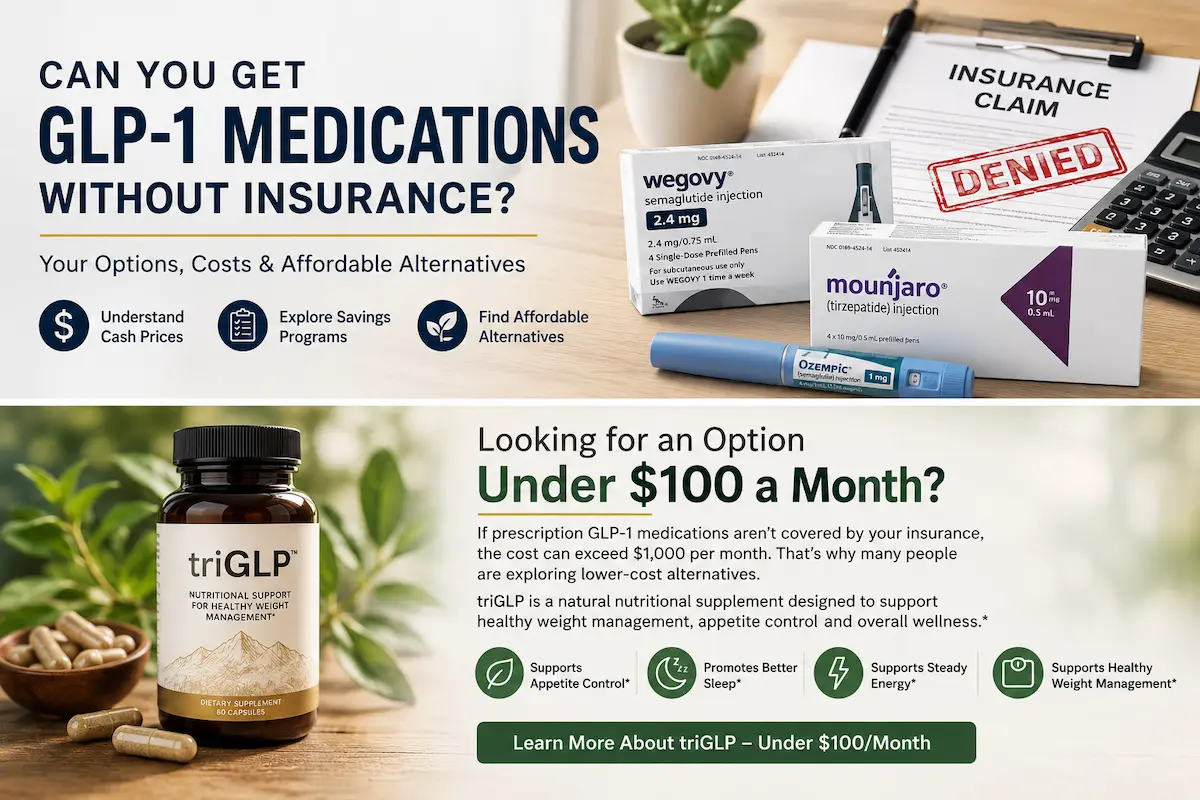
Learning that a plan excludes obesity medication does not automatically end every path to treatment. It does mean that you need to compare official self-pay programs carefully and avoid shortcuts that may put your health or money at risk.
How self-pay GLP-1 access works
A licensed clinician determines whether the medication is appropriate.
The prescription is filled by a state-licensed pharmacy or official manufacturer-linked program.
You pay a published program price or pharmacy cash price rather than billing insurance.
A self-pay purchase may not count toward an insurance deductible or out-of-pocket maximum.
Official 2026 self-pay pricing examples
These examples come from official manufacturer programs as of July 23, 2026. Terms can change, and dose, product form, refill timing and eligibility matter.
| Medication/program | Official 2026 example | Important limitations |
|---|---|---|
| Wegovy through NovoCare | Some oral doses start at $149 per month. Certain new injectable patients may pay $199 per month for the first two fills. | Pricing varies by form and dose; temporary offers expire. |
| Zepbound self-pay | 2.5 mg starts at $299 per month; 5 mg at $399; certain higher doses may start at $449. | Valid on-label prescription, refill timing and eligibility rules apply. |
| Commercial-insurance cards | Some eligible commercially insured patients may pay as little as $25. | Government beneficiaries are commonly excluded; limits apply. |
| Ordinary pharmacy cash price | Can be substantially higher than official manufacturer programs. | Varies by pharmacy, medication, dose and location. |
Why prices vary
- Different drugs and doses have different program prices.
- Some offers apply only to a pen, vial or tablet.
- Introductory pricing may expire.
- Higher maintenance doses may cost more.
- Telehealth visits, labs, shipping and membership fees may be separate.
Ways to reduce the legitimate self-pay cost
Start with the manufacturer’s own savings page and read every term.
Include medical visits, labs, membership fees, supplies and shipping.
Ask whether another approved medication or dosage form is suitable and less expensive.
Request the written reason and address it directly with the prescriber.
Manufacturer pricing can improve, expire or change.
Also see our insurance guide and GLP-1 savings guide.
What about compounded semaglutide or tirzepatide?
Compounded medications are not FDA approved. The FDA says they should generally be used only when a patient’s medical needs cannot be met by an approved drug. The agency has warned about dosing errors, fraudulent labels, improper shipping temperatures and questionable online sources.
Red flags when buying online
- No prescription or medical screening is required.
- The seller claims its product is exactly the same as an approved drug.
- The price is dramatically lower than official programs.
- The pharmacy cannot be verified.
- The label has spelling errors or unclear dosing.
- The product is labeled “research use only” but sold for human weight loss.
- An injectable arrives warm or damaged.
A natural, lower-cost option to research
Prescription GLP-1 medications are not the right fit for everyone. Some people struggle with nausea or digestive symptoms, while others cannot justify hundreds of dollars per month when insurance will not pay.
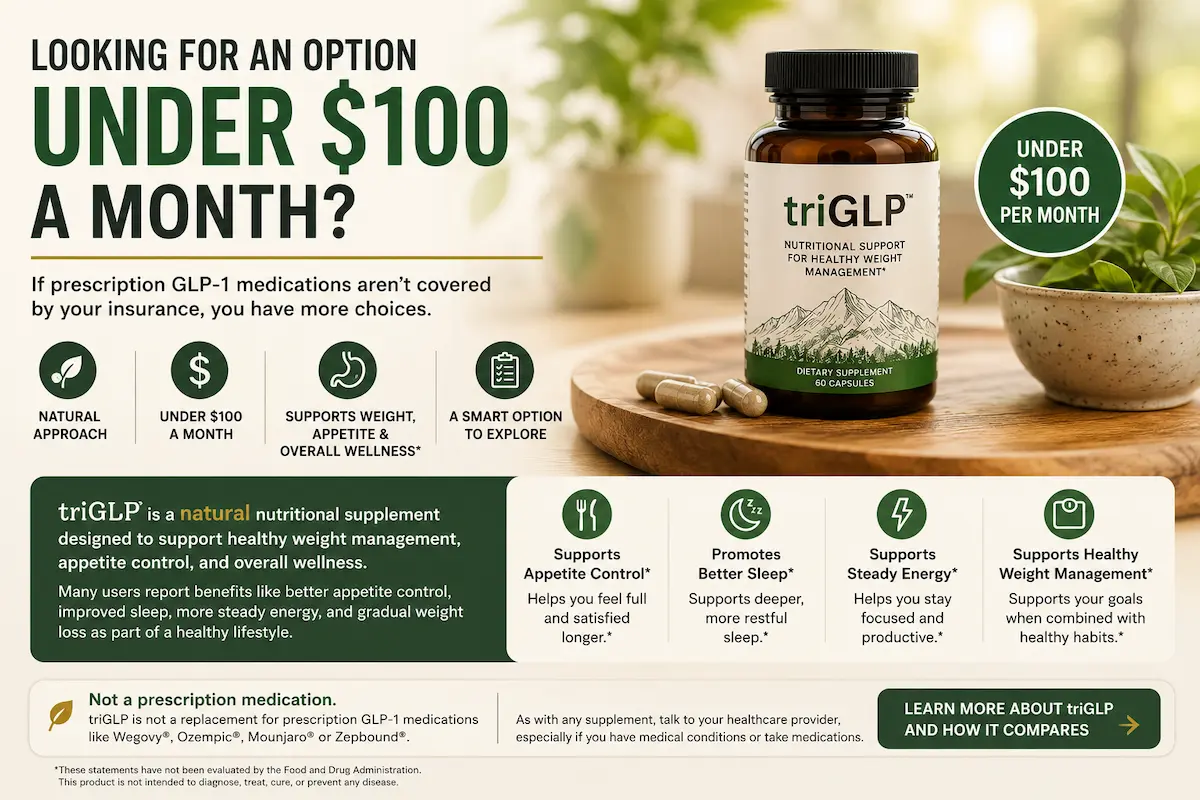
Ignyt triGLP is a nutritional supplement marketed as a natural wellness and weight-management support option for under $100 per month. It is not a prescription GLP-1 medication, does not contain semaglutide or tirzepatide and should not replace medically necessary treatment.
Some users report improved appetite control, better sleep, steadier energy or gradual weight-management progress. Individual experiences vary, and supplements can still cause reactions or interact with medications.
Read the complete triGLP review →Tired of nausea or digestive side effects?
Nausea, vomiting, diarrhea, constipation and abdominal discomfort are commonly discussed concerns with GLP-1 treatment. Do not stop a prescribed medication abruptly without medical guidance, particularly when it is used for diabetes or cardiovascular risk.
A clinician may adjust the dose, slow titration, review meal size, discuss hydration or consider another treatment. For people who decide prescription treatment is not appropriate or affordable, a lower-cost lifestyle and supplement approach may be worth discussing—but it is not medically equivalent.
Questions to ask a telehealth provider
- Who is the licensed prescriber?
- Which pharmacy fills the prescription?
- Is the product FDA approved or compounded?
- What is the full first-month and ongoing price?
- Are labs and shipping included?
- What happens if side effects occur?
- Can I speak with a clinician after delivery?
Frequently asked questions
Can you get Wegovy without insurance?
Can you get Zepbound without insurance?
Can you buy Ozempic or Mounjaro without a prescription?
What is the cheapest GLP-1 without insurance?
Is triGLP the same as Wegovy or Zepbound?
Official sources
Related GLP-1 guides
Compare every cost before you commit
Start with the official manufacturer offer, calculate the full monthly expense and avoid sellers that bypass legitimate prescribing and pharmacy safeguards.